

Is a Man With Van Insured?

You have found a good price, the van looks right, and the mover seems helpful on the phone. Then the obvious question lands - is a man with van insured? It is the right question to ask, because insurance can be the difference between a straightforward move and a very expensive problem if something is damaged, lost or delayed.
The short answer is that some man with van services are insured properly, and some are not. Just because someone has a van and offers to move items for payment does not mean they have the right cover in place. That is why it is worth checking before you book, especially if you are moving furniture, business equipment, or anything with real value.
Is a man with van insured by default?
No. Insurance is not automatic just because somebody is doing removals work. A driver might have standard van insurance for the vehicle itself, but that alone does not mean your belongings are covered while being transported.
This is where many customers get caught out. They assume insurance means everything in the van is protected from start to finish. In reality, there are different types of cover, and they do different jobs. If a mover only has basic motor insurance, that may cover damage to the vehicle or third-party incidents on the road, but not the contents they are carrying for you.
A proper removals or man-with-a-van service should be clear about what cover is in place and what it applies to. If the answer feels vague, that is usually a sign to ask more questions.
What insurance should a man with van have?
If you are paying someone to move your belongings, there are a few key types of insurance that matter.
Goods in transit insurance is one of the main ones. This is the cover people usually mean when they ask if their furniture, boxes, stock or equipment are insured while in the van. It is designed to protect the items being transported, although the exact terms and limits will vary.
Public liability insurance is also important. This covers accidental injury to third parties or damage to property while the job is being carried out. For example, if a sofa scrapes a hallway wall, or a heavy item causes damage at the collection or delivery address, this type of policy may come into play.
Motor insurance matters too, but for a different reason. The vehicle needs to be insured for business use that matches the work being done. Private social and domestic cover is not enough for paid removals work.
Some larger removal firms may also have employer's liability insurance if they use staff. For a customer, that is less visible, but it still shows the business is operating properly.
What does insured actually mean for your move?
This is where the detail matters. A mover saying they are insured is a good start, but it is not the whole answer. Insurance policies have conditions, exclusions and claim limits.
For example, cover may be limited to a set value per item or per load. There may be restrictions on particularly valuable items, fragile items, or goods that were packed by the customer. Some policies cover loss or damage caused by an accident, but not every mark, dent or internal breakage. Others may require clear evidence that damage happened during transport.
That does not make the cover useless. It just means insured does not always mean unlimited protection in every situation. A reliable company will explain this in plain English rather than brushing it aside.
If you are moving antiques, specialist equipment or high-value items, it is worth raising that early. It is far better to discuss it before the booking than after a problem happens.
How to check if a man with van is insured
You do not need to be an insurance expert. You just need to ask a few sensible questions and pay attention to how the business responds.
Start by asking what type of insurance they hold. If they can clearly say they have goods in transit and public liability cover, that is a positive sign. If they only mention vehicle insurance, that is not enough.
Ask whether your items are covered while loading, in transit and unloading. These are the practical stages of the move, and they matter more than broad promises. You can also ask whether there is a claim limit and whether there are exclusions for certain items.
A professional mover should not be offended by this. In fact, they should expect it. Customers are trusting them with their property, often during a stressful move, so basic proof of cover is part of building confidence.
If you want extra reassurance, ask for evidence of insurance before the job. Any genuine business should be able to provide confirmation. You are not being awkward. You are being careful.
Why the cheapest quote is not always the safest one
A low quote can look appealing, especially if you are moving on a budget. But insurance is one of the reasons prices vary.
A business that runs legally, keeps the right cover in place and uses proper processes has higher operating costs than someone doing occasional cash-in-hand jobs with minimal overheads. That can make the second option look cheaper at first glance. The trouble comes if something goes wrong and there is no realistic protection for your belongings.
This is not to say every low-cost service is poor, or every higher-priced one is perfect. It simply means price should be judged alongside reliability, communication and insurance cover. Good value is not the same as the lowest number.
For many customers, especially those moving a full household or important business items, paying a fair price for proper cover is the sensible option.
Is a man with van insured for every kind of job?
Not always. The type of job can affect the insurance position.
A single-item move may be covered differently from a larger house removal. Commercial transport can involve different risks from domestic work. Some services may accept furniture and boxed household items without issue, but place restrictions on specialist goods, high-value stock or unusually fragile items.
There can also be a difference between hiring a driver with a van and hiring a removals service that includes handling, lifting and carrying. Once loading and unloading are part of the job, liability and insurance become more important, because there are simply more chances for accidental damage to happen.
That is why it helps to describe your move properly when asking for a quote. A clear description allows the company to confirm whether the job fits their service and whether their cover applies in the right way.
The signs of a properly run insured service
Insurance should sit alongside other signs of professionalism. Clear pricing, prompt replies, sensible arrival times and straightforward answers all count.
A dependable local mover will usually ask practical questions about access, item sizes, addresses and timings. That is not just admin. It shows they are planning the move properly rather than turning up and hoping for the best.
You should also expect honesty. If there are limits to what the insurance covers, a professional company will tell you. The goal is not to say yes to everything. The goal is to make sure the move is handled properly and expectations are clear.
This is one reason many people prefer an established local business rather than a random online listing. A company with a reputation to protect is more likely to take insurance, service standards and customer care seriously.
What to do before booking
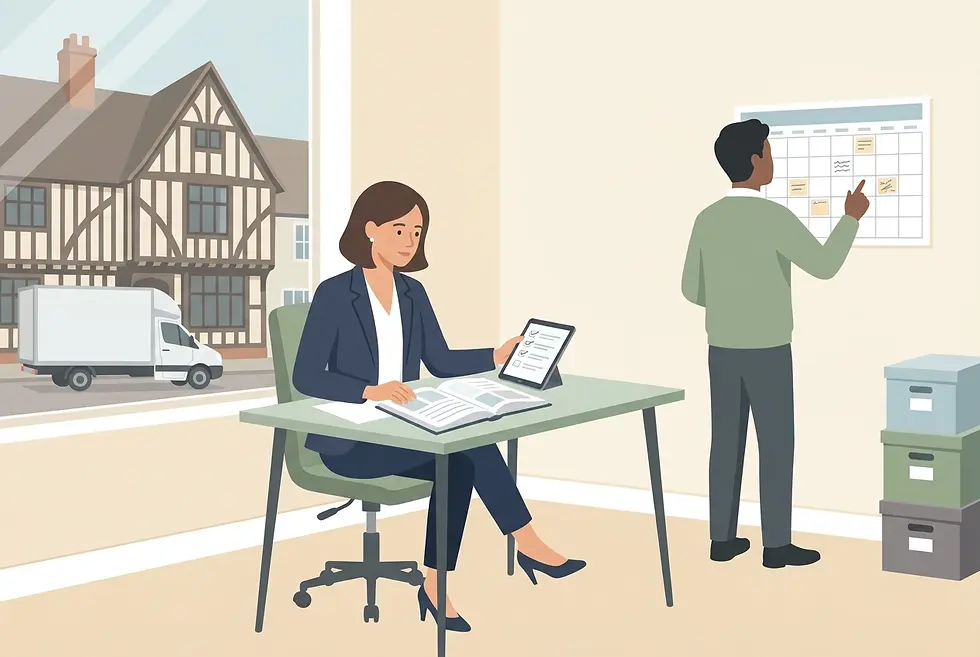
Before you confirm any man-with-a-van job, ask for the quote in writing and make sure the service details are clear. Check what is being moved, whether help with loading is included, and what insurance cover applies.
If you are worried about a particular item, mention it directly. Do not assume the mover knows its value or how delicate it is. Good communication at the start avoids arguments later.
It also helps to keep your own record of valuable items and their condition before the move. A few time-stamped photos can be useful if there is ever a dispute. Most moves go ahead without any issue, but simple preparation is still worthwhile.
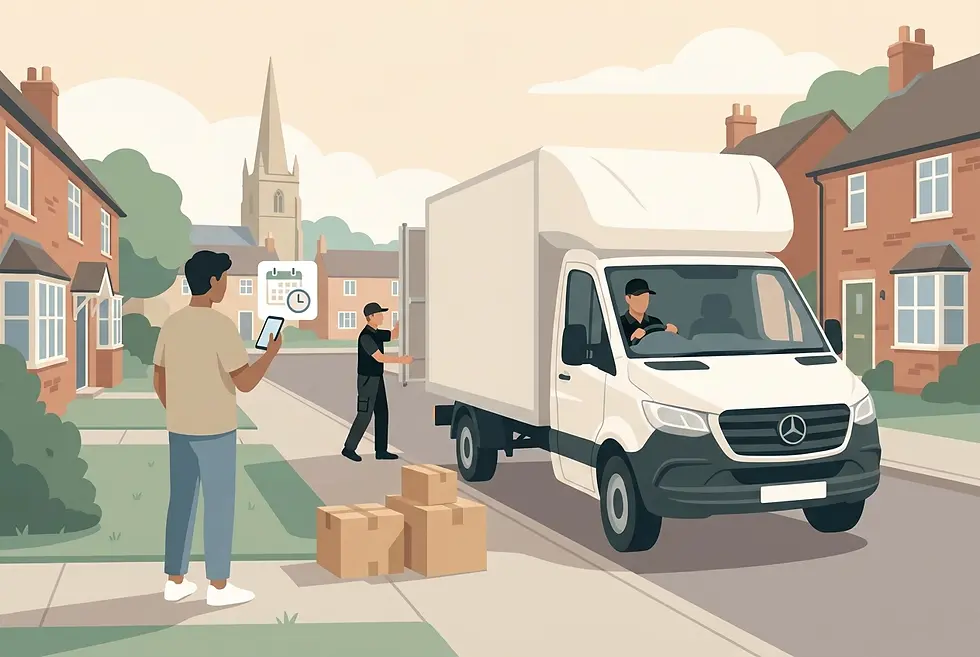
For customers booking a trusted local service such as JTJ Removals, the key benefit is peace of mind. You want to know the van will turn up, the job will be handled properly, and there is real insurance behind the service rather than just a reassuring phrase.
A man with a van can be a practical, affordable and reliable way to move, but only if the business is operating properly. Ask the question, check the cover, and choose a service that gives you straight answers. When someone is handling your belongings, reassurance should come from facts, not guesswork.

Comments