

First Time Home Move Guide: What Matters Most

The first night in a new home often looks nothing like the plan. The kettle is in the wrong box, the bed still needs building, and someone always loses the phone charger. That is exactly why a good first-time home move guide matters. If you have never moved before, the job can feel bigger than it is, but most problems come down to timing, preparation, and knowing what to deal with first.
A first move is rarely just about getting furniture from one address to another. You are also changing your routine, your paperwork, your bills, and the way your day works. That can make even a short move feel busy. The good news is that you do not need to do everything at once. You just need to do the right things in the right order.
The first-time home move guide starts with timing
The biggest mistake first-time movers make is leaving decisions too late. It is not usually the heavy lifting that causes stress. It is the last-minute sorting, the missing keys, the unlabelled boxes, and the jobs you assumed would only take ten minutes.
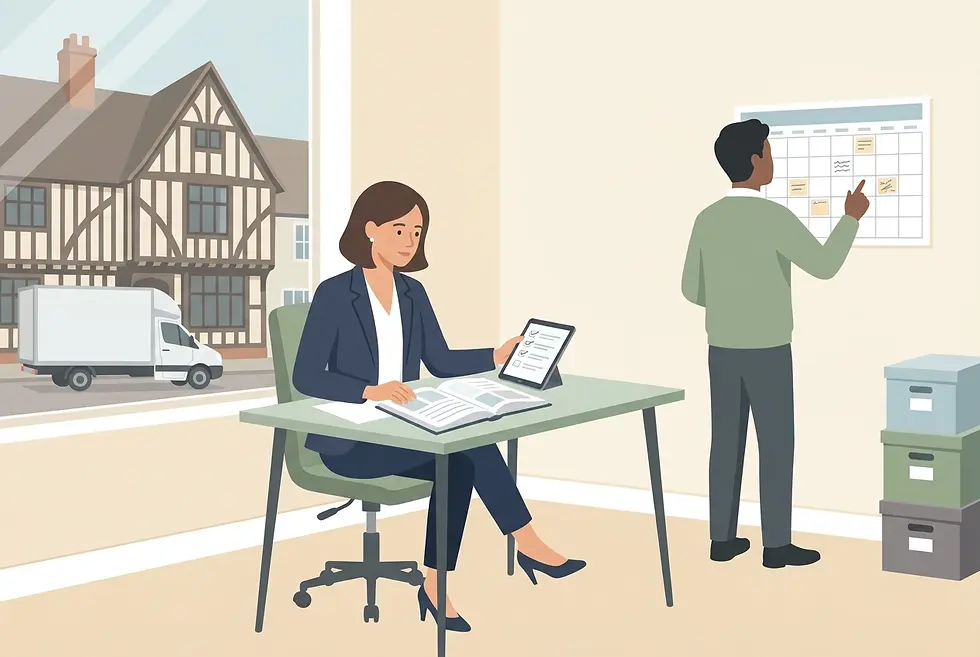
As soon as you know your moving date, start a simple plan. Work backwards from the day itself. In the final two weeks, your aim should be to reduce loose ends. That means confirming times, sorting out utility accounts, and making sure the things you use every day are easy to find.
If your dates are still shifting, do not panic. That is common, especially when buying and selling are involved. What matters is preparing early enough that a changed date is inconvenient rather than a disaster.
Work out what is actually moving
Before you think about boxes, think about volume. A one-bedroom flat with minimal furniture is very different from a family home with a loft full of things that have not been touched in years. First-time movers often underestimate how much they own because they see it room by room. Movers see it as one full load.
Go through each room with a notepad and list the larger items first. Beds, wardrobes, sofas, white goods, dining tables, office desks and garden items all affect the size of vehicle you may need and how long the move is likely to take. Then think about the awkward items - mirrors, TVs, plants, lamps, bikes and anything fragile or unusually shaped.
This is also the point to be honest with yourself about what you want to take. If something is broken, unused, or does not fit the new place, moving it may not make sense. A smaller, better-planned load is usually cheaper, quicker and easier to manage.
Budget for the real costs, not just the van
Moving costs are not only about transport. First-time movers often focus on the headline figure and forget the smaller expenses around it. Boxes, tape, mattress covers, cleaning products, parking arrangements, takeaway food on moving day, and replacement bits for furniture all add up.
Professional help can still be the more economical option when you consider time, risk and effort. Hiring the right support can mean fewer trips, less chance of damage, and a faster day overall. That matters if you are collecting keys at a set time, handing over a tenancy, or trying to fit your move around work and family life.
It also helps to ask how pricing works. Some moves suit a smaller van service, while others need a full removals job. It depends on volume, distance, access and how much loading time is involved. Clear pricing and realistic timings are worth far more than a cheap quote that does not reflect the job.
Packing is really about access
People talk about packing as if it is one big task, but it is usually better to think of it as controlling access to your own things. The goal is not simply to fill boxes. The goal is to make sure the right items are available at the right moment.
Start with the non-essentials. Books, spare bedding, seasonal clothes, decorations and anything in cupboards that you do not use daily can be packed early. Leave yourself enough out for the final week so the house still functions.
Label boxes by room, but also add a few words about contents. "Kitchen" is helpful. "Kitchen - mugs, plates, tea, toaster" is far better when you arrive tired and need the basics first. Keep heavier items in smaller boxes and lighter items in larger ones. That sounds obvious, but many first-time movers only learn it after trying to lift a huge box of books.
Keep one essentials bag with you
This is one of the simplest parts of any first-time home move guide, and one of the most useful. Pack one bag or box that stays with you rather than going into the van. Include kettle items, chargers, medication, toilet roll, basic toiletries, snacks, pet supplies if needed, important documents, and a change of clothes.
If you have children, keep familiar items close to hand as well. A favourite toy, pyjamas, and basic food can make the end of the day much easier. The same goes for pets. Moving day is disruptive enough without trying to find leads, bowls or food at the bottom of a mixed box.
Check access at both ends
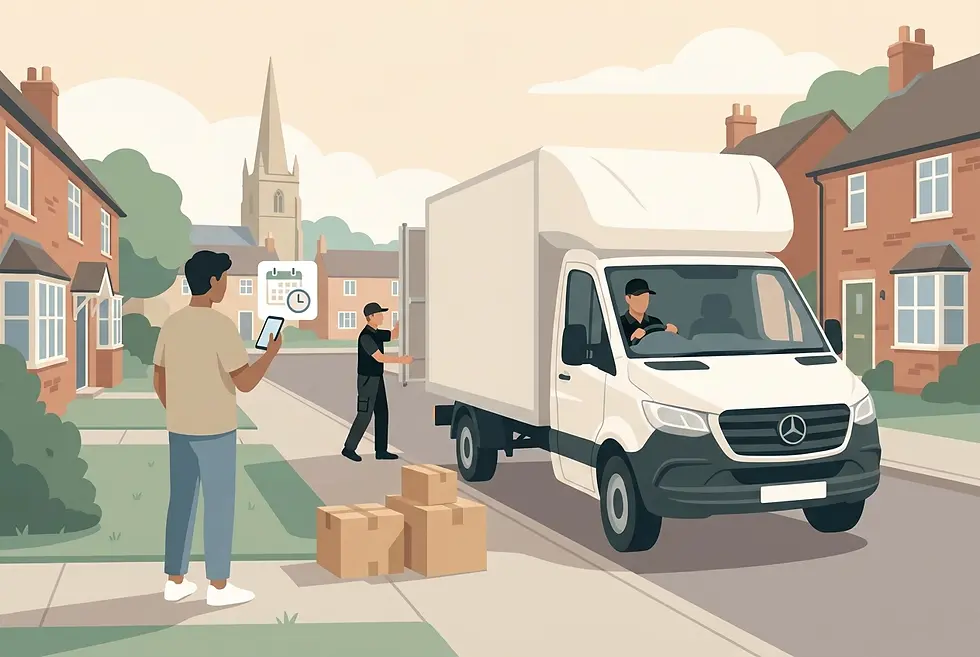
A move can look simple on paper and still run into delays if access is poor. Before moving day, think about parking, narrow hallways, stairs, shared entrances, lift restrictions and awkward turns. If you are moving into a flat, check whether there are booking rules for lift use or limited unloading areas.
This is where local knowledge helps. In towns and villages around places such as Halstead, Braintree and Sudbury, access can vary a lot from one property to the next. A cottage with a tight lane is different from a modern estate with easy parking. Small details affect how quickly a move can be completed.
If there are fragile floors, fresh paint, or anything else worth knowing, mention it early. Surprises on moving day rarely save time or money.
Moving day works better with a clear order
The easiest moves are not always the smallest ones. They are the ones with a clear plan. If possible, decide in advance what should go in first and what needs to come out first. Beds, sofas and larger furniture often need positioning before the smaller boxes begin to fill every room.
Try to keep walkways clear and avoid spreading items everywhere as soon as they arrive. It feels productive, but it makes unpacking slower and creates trip hazards. If each box goes to the correct room straight away, the whole house is easier to settle.
You do not need to unpack everything on day one. In fact, trying to do that usually makes the day harder than it needs to be. Focus first on the bedroom, bathroom and kitchen basics. Once those are working, the rest can be done steadily.
What first-time movers often forget
There is always a practical job that gets missed. Usually it is something simple: taking meter readings, redirecting post, checking whether the washing machine fittings match, or making sure the freezer is defrosted in time.
A few checks can save you trouble. Make sure your keys are where they should be before you leave. Photograph meter readings at both properties. Keep screws and fittings from dismantled furniture in labelled bags. Empty and secure the fridge and washing machine properly. And if you are moving from rented accommodation, check the tenancy requirements so handover is straightforward.
These jobs are not dramatic, but they are the ones that often create stress at the worst moment.
When to ask for help
Some first moves are small enough to handle with family and a hired vehicle. Others look manageable until the reality sets in. Stairs, bulky furniture, tight schedules and longer distances can turn a cheap plan into a long, exhausting day.
There is no single right way to move. It depends on your budget, how much you own, the property access, and how confident you feel handling the logistics. A flexible removals service can make sense if you want reliable transport without overcomplicating the job. For many people, that middle ground is exactly what keeps the move affordable and practical.
A local company such as JTJ Removals can also be useful when you want straightforward advice about what size move you actually have. That matters if you are trying to avoid paying for more than you need while still making sure the day runs properly.
Settle in without trying to do it all
The day after the move can feel oddly flat. You are surrounded by boxes, you are tired, and the place still does not feel like home. That is normal. Settling in takes a bit longer than arriving.
Start with function before appearance. Get the bed sorted, the kettle out, the bathroom usable, and the main clothes unpacked. Then deal with one room at a time. If you try to do the whole house at once, you can spend days moving piles from one corner to another.
It is also worth checking the practical basics early - smoke alarms, stopcock location, fuse box, bin collection day, and where you have put the important paperwork. Small jobs done early make the first week much easier.
Your first move will teach you a lot, mostly that the best moves are not perfect, just well prepared. If you keep the plan simple, ask for help where it counts, and focus on what needs doing first, the whole thing becomes far more manageable than it seems at the start.

Comments