

Moving From Flat to House Checklist

The jump from a flat to a house often sounds simple until moving week starts. You go from one front door and a stairwell to outside space, bins, meters, sheds, lofts and a lot more decisions. A good moving from flat to house checklist helps you stay ahead of the practical jobs that catch people out, especially if you are balancing work, family life and a fixed moving date.
For most people, the biggest change is not just square footage. It is the number of things you suddenly need to manage. Access can be easier in some ways, but houses bring their own jobs, from sorting keys and parking to checking outdoor areas and working out where everything will go before boxes start piling up in the wrong rooms.
Why a moving from flat to house checklist matters
Moving out of a flat usually means dealing with shared access, staircases, timed parking, entry systems and neighbours in close proximity. Moving into a house often gives you more freedom, but also more responsibility. You may have multiple floors, more furniture to position, a garden to think about and extra storage areas that quickly become dumping grounds if the move is not planned properly.
That is why the best checklist is not just about packing. It should cover access at both ends, utilities, cleaning, furniture sizes and a realistic timetable. If you leave these bits until the last minute, the move feels harder than it needs to.
Four weeks before the move
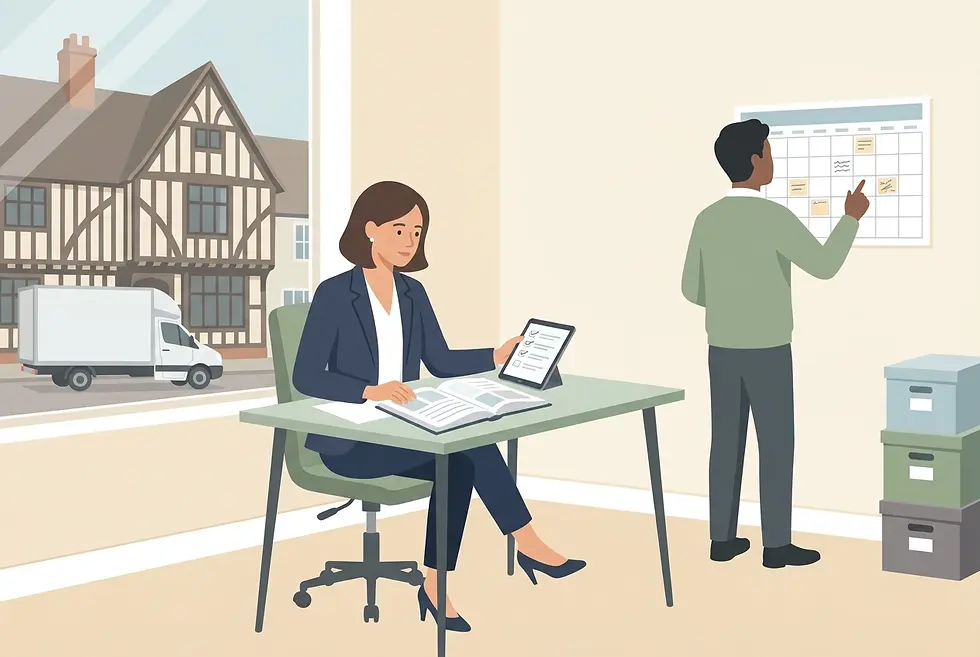
Start with the practical paperwork and the larger decisions. Confirm your moving date as early as you can and book your removals service once contracts are in place or your tenancy dates are fixed. Good local availability can disappear quickly, especially around month-end and school holidays.
This is also the right time to sort through what is actually coming with you. A house gives you more room, but that does not mean everything from the flat deserves space in it. Be honest about furniture that only fitted because the flat was smaller, or items you have not used in years. The less you move, the simpler and more affordable the job tends to be.
Measure the larger items as well. Sofas, wardrobes, dining tables and white goods can all cause problems if they fit your flat but not the new house layout. Check doorway widths, hallway turns and stair access in advance. It is much easier to make a plan now than to discover on moving day that a sofa will not get round the corner into the lounge.
Two to three weeks before the move
This is the stage where your moving from flat to house checklist needs to become more detailed. Start notifying utility providers, your council, bank, insurer, employer and any regular services of your change of address. Redirecting post for a period can save a lot of hassle, even if you think you have updated everyone.
If you are leaving a leasehold or managed flat, check whether there are any booking rules for moving vans, lift access or designated loading times. Some buildings are strict about this, and it is far better to know beforehand than to be delayed on the day.
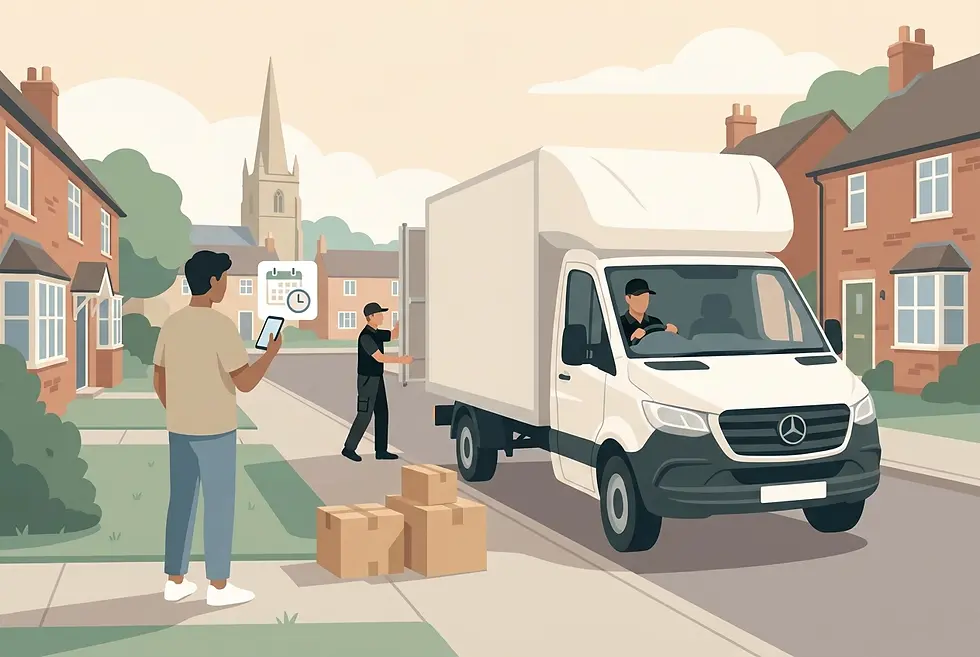
At the new house, ask for any information that helps with access and setup. Find out how many sets of keys are being handed over, whether there are side gates, where the meters are, and if there is any parking restriction on the road. On some streets, a smaller van or careful timing makes a big difference. A local removals team that knows Essex roads and residential access points can often spot issues early.
One week before the move
By this point, every room should have a plan. Label boxes clearly by room, not just by contents. Kitchen mugs is useful, but kitchen first cupboard is better. The easier you make unloading, the faster you can settle in.
Keep a separate essentials bag or boxes for the first 24 hours. That should include chargers, kettle, tea and coffee, mugs, basic toiletries, toilet roll, medication, pet supplies, important documents and a change of clothes. If you have children, add the items that keep the evening calm, such as pyjamas, snacks and familiar toys.
Defrost the freezer if needed and use up as much food as possible. Flats often have limited kitchen storage, so house moves can tempt people to buy extra groceries too early. Leave that until you are in and know what space you have.
Now is also the time to check cleaning supplies, light bulbs and basic tools. A new house often needs a few immediate jobs on day one, even if it is generally in good condition.
Moving day checklist for leaving a flat
Leaving a flat usually takes more coordination than people expect. Shared entrances and limited parking can slow everything down, so timing matters.
Make sure the route from the flat to the van is clear before loading starts. Lift any small obstacles, prop doors where allowed and keep keys or entry fobs on you at all times. If your building has neighbours close by, a quick word with them can avoid friction if the communal area is busy for a short period.
Before you lock up for the last time, walk through each room slowly. Check cupboards, high shelves, under beds, utility spaces and balconies. Flats are full of awkward storage spots that are easy to forget in the rush. Take final meter readings, photograph them, and keep all keys together for handover.
Moving day checklist for arriving at a house
Once you reach the property, do not rush straight into unloading every box at random. Take five minutes to check the basics first. Make sure the right keys work, locate the fuse box, identify petrol, electric and water meters, and confirm where you want the main furniture placed.
This is where moving from a flat to a house feels different. There is more space, but there are also more places to lose control of the move. If boxes are dumped in the nearest room rather than the correct one, you can spend days shifting them around again.
Start with the main rooms you need functioning that day: kitchen, bathroom, main bedroom and sitting room. If the house has a loft, garage, shed or under-stairs storage, avoid treating them as temporary dumping zones unless the contents are labelled and planned. Extra storage is useful, but it can also hide clutter for months.
What people often forget when moving from flat to house
Outdoor areas catch many people off guard. If your new place has a garden, driveway or side access, think about what you need straight away. That might be a broom, outdoor bin bags, a doormat or somewhere safe to store bikes and prams. These are small details, but they make the first week feel more settled.
Bins are another common oversight. In a flat, collection is often managed or obvious. In a house, you need to know which bins you have, which day they are collected and where they should be placed.
Security is worth checking early too. A house usually has more entry points than a flat, including back doors, side gates and ground-floor windows. Even if everything seems fine, test locks and note any issues quickly.
Heating can be different as well. Flats often hold heat better, while houses can feel colder, especially if they are older. Learn how the boiler and thermostat work early on so you are not trying to figure it out late at night.
Making the move easier on yourself
The most sensible moves are rarely the fanciest. They are the ones where timing is realistic, labelling is clear and access is planned before the van arrives. If you are moving from a top-floor flat into a family house, there is a physical difference in the job that should not be underestimated.
That is where using a reliable local removals team can take pressure off. A straightforward service, clear pricing and people who turn up when they say they will matter far more than glossy promises. For moves around places such as Halstead, Braintree, Colchester and nearby areas, local knowledge can help avoid the usual hold-ups around parking, narrow access and busy residential roads.
You do not need a complicated system. You need a sensible plan, enough time to do the jobs properly and a clear idea of what must happen first. If you approach the move in that order, the new house starts to feel like home much faster.
A bigger place can give you more room to breathe, but the best start comes from getting the basics right on day one.

Comments