

Dismantle and Re-Assemble Furniture Service

A wardrobe that went upstairs in pieces rarely comes back down in one. The same goes for large bed frames, corner desks, dining tables and plenty of office furniture. That is usually the point when a dismantle and re-assemble furniture service stops feeling like an extra and starts feeling like the sensible option.
If you are moving home, relocating a small office, or simply shifting bulky furniture from one property to another, the awkward part is not always the lifting. Very often, it is working out what will fit through the door, down the stairs, around the landing and safely into the van without damaging the item or the property. Getting that right saves time, stress and avoidable repair costs.
When a dismantle and re-assemble furniture service makes sense
Some moves are straightforward. A few sealed boxes, a chest of drawers, a sofa that clears the doorway first time. Others are less forgiving. Furniture that is tall, wide or unusually shaped can turn a simple move into a drawn-out job if it is not taken apart properly.
Beds are one of the most common examples. A frame may seem manageable until it catches on a banister or refuses to turn on a narrow staircase. Wardrobes, especially sliding-door or fitted-style units, can be even trickier. Dining tables with fixed legs, office desks with cable management panels, and shelving units that have been in place for years often need more care than people expect.
There is also the question of stability. Older furniture may have loosened over time, and flat-pack pieces do not always cope well with being dragged, tilted or forced through tight spaces. Taking them apart properly and putting them back together in the right order can be the difference between keeping a useful piece of furniture and replacing one that has split, warped or lost its strength.
What the service actually helps with
A proper dismantle and re-assemble furniture service is about more than getting an Allen key out and hoping for the best. The real value is in making the whole move more manageable.
First, it helps protect your furniture. Large items moved in one piece are more likely to catch walls, door frames and ceilings. They are also harder to carry safely, especially in terraced houses, older properties and flats where access is tight. Breaking an item down into sensible sections reduces the risk of knocks, scrapes and strain.
Second, it helps protect your property. Damage during a move often happens at corners, stair turns and entrances. A dismantled bed frame is far less likely to leave a mark than one being wrestled through a landing at an awkward angle.
Third, it saves time on the day. That may sound backwards, because dismantling furniture sounds like an extra step. In practice, it often speeds the move up. A team that knows when and how to take pieces apart can avoid repeated lifting, failed attempts at manoeuvring and the delays that come from trying to make oversized furniture fit where it plainly will not.
Not every item should be treated the same way
This is where experience matters. Some furniture is designed to come apart and go back together without much fuss. Some is not.
Flat-pack furniture can be unpredictable. A newer unit in good condition may dismantle cleanly and reassemble well. An older one that has already been moved once or twice may be weaker at key joints. In those cases, there is a judgement call to make. Taking it apart might be the only way to move it safely, but it can also reveal wear that was hidden while the item was standing in place.
Solid wood furniture is a different case again. It is often heavier, sturdier and more durable, but not always simple to dismantle. Antique or high-value items may need a more cautious approach, and sometimes it is better to move them in larger sections if access allows.
Office furniture brings its own issues. Desks, meeting tables and storage units often include fixings, supports and cable channels that need to be removed in the right order. If a business move needs to stay efficient and avoid unnecessary downtime, that planning matters.
What to expect on moving day
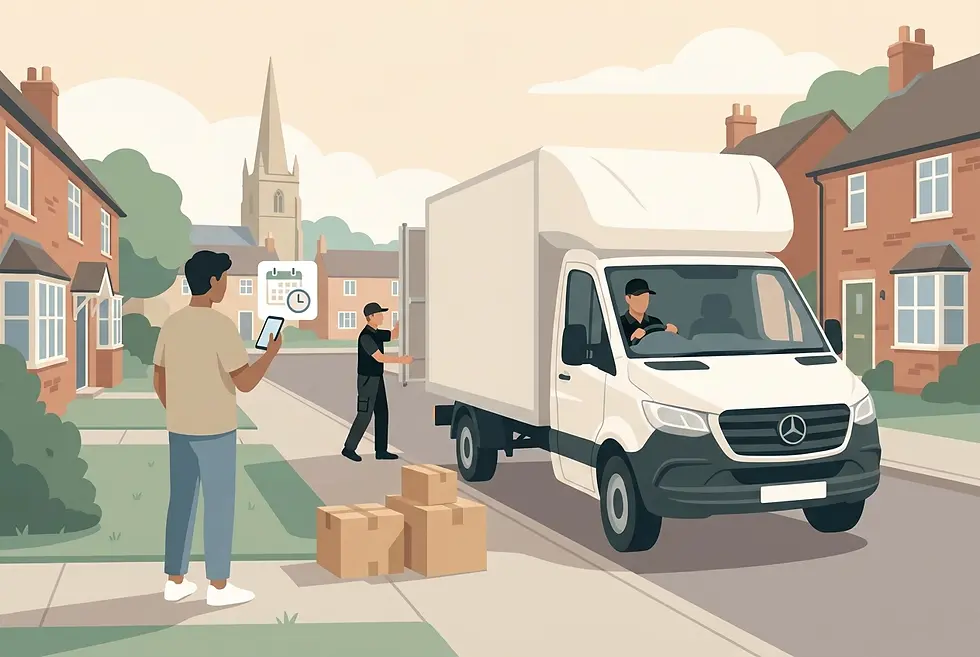
The best furniture moves are rarely dramatic. They are organised, methodical and calm.
A good approach starts by identifying which items actually need dismantling. There is no point taking apart furniture that can be moved safely as it is. Equally, there is no benefit in leaving a wardrobe whole if it is clearly not getting through the bedroom door without a struggle.
Once those pieces are identified, the work should be carried out carefully and with a clear system. Fixings need to be kept together, panels handled properly, and each item loaded in a way that makes sense for transport and reassembly at the other end. That sounds basic, but it is what prevents missing screws, mixed-up parts and the frustration of trying to rebuild furniture after a long day.
Reassembly matters just as much as dismantling. A bed frame that is put back together loosely, a desk that rocks, or wardrobe doors that no longer align properly can create problems after the move is over. The aim is not just to get the furniture into the new property. It is to leave it set up properly and ready to use.
Why this service is often worth it
For many customers, the main benefit is peace of mind. Moving day already comes with enough to think about. If there are keys to collect, children to manage, a tenancy deadline to meet or business operations to keep on track, furniture assembly is not usually the job people want hanging over them at the end of the day.
There is also the safety side. Large furniture is awkward by nature. Trying to force a heavy bed frame down a staircase or pivot a wardrobe through a narrow hallway can lead to injury as well as damage. Having experienced help reduces that risk.
Cost is always part of the decision, and understandably so. Not every move needs a dismantle and re-assemble furniture service. If your furniture is small, access is easy and the items are designed to travel in one piece, you may not need it. But when furniture is bulky, valuable or difficult to manoeuvre, paying for the right help can be cheaper than repairing a damaged item, repainting a marked wall or replacing something that did not survive the journey.
Choosing the right service for your move
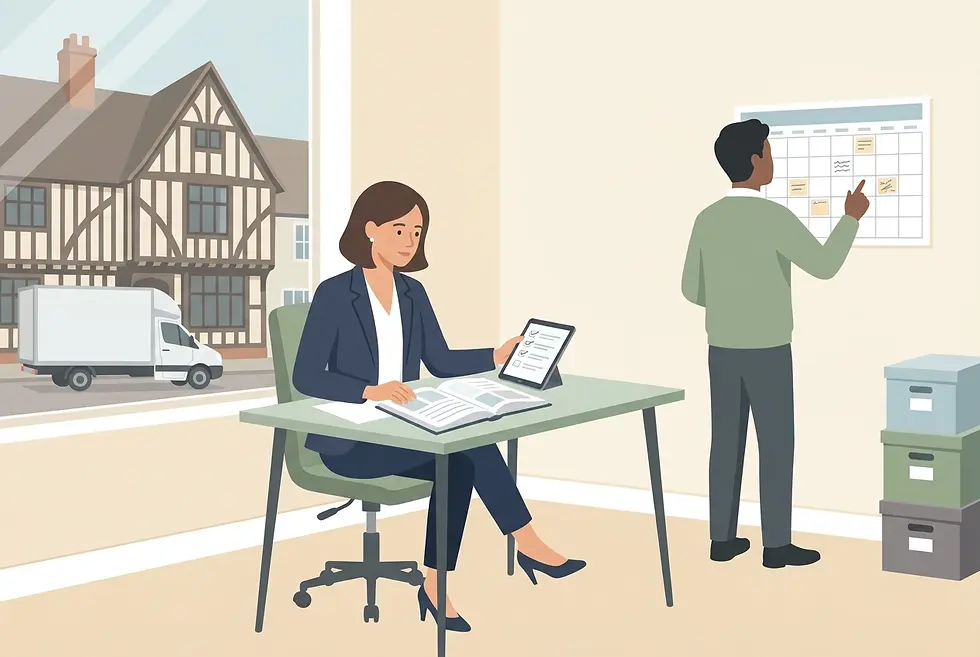
The most useful thing is clarity from the start. If you know certain pieces are likely to need dismantling, mention them when asking for a quote. That gives the removals team a better idea of the time involved, the type of vehicle needed and any access issues that may affect the move.
Photos can help, especially for wardrobes, bed frames, corner units and office desks. So can simple details like whether there are tight staircases, restricted parking, or access through a side gate rather than a front door. These small points make planning easier and help avoid surprises on the day.
It is also worth choosing a local company that understands the practical side of moving in real properties, not just ideal conditions. Homes and business premises around places like Halstead, Braintree, Sudbury and Castle Hedingham are not all built the same way. Some have narrow halls, older staircases or limited access, and local knowledge can make the job smoother.
For customers who want a dependable, affordable option without the fuss of a large national operator, a local team can often offer the right balance of flexibility and professionalism. That is where a company like JTJ Removals fits well - straightforward service, clear pricing and help that is focused on what the move actually needs.
A few practical checks before the move
Even with the right help in place, a bit of preparation goes a long way. Measure any furniture you are worried about, along with doorways, stairwells and tight corners. If an item has already been taken apart before and feels loose, mention that in advance. If you have the original assembly instructions, keep them handy, though an experienced team can usually manage without them.
It is also sensible to clear the route as much as possible. Shoes, plant stands, side tables and anything else in hallways or on stairs can get in the way quickly when large sections of furniture are being moved.
A dismantle and re-assemble furniture service is not about making a move sound more complicated than it is. It is about dealing properly with the part of the job that causes the most hold-ups, the most damage and often the most stress. When bulky furniture is handled with care from start to finish, the whole move tends to feel far more manageable - and that makes a real difference on the day.

Comments